


We’ve all felt it — that quick rush after buying something new. Then, just as quickly, it fades. Psychologists call this the “hedonic treadmill” — our tendency to adapt to new possessions, no matter how exciting they first felt.
But experiences? They work differently.
According to studies from Cornell University and Harvard, people who spend money on experiences report longer-lasting happiness than those who spend on material goods. The reason is simple: experiences engage our emotions, relationships, and sense of meaning. They become part of our identity, shaping how we see ourselves and the world.
How Experiences Create Enduring Joy
1. They connect us to who we are.
When we gift or receive an experience, it often reflects something deeper — curiosity, rest, or growth. A mindfulness workshop might remind someone of their inner strength. A spa day could reconnect them with their body in ways they’ve neglected. These moments become stories we tell ourselves about who we’re becoming.
2. They deepen our connections with others.
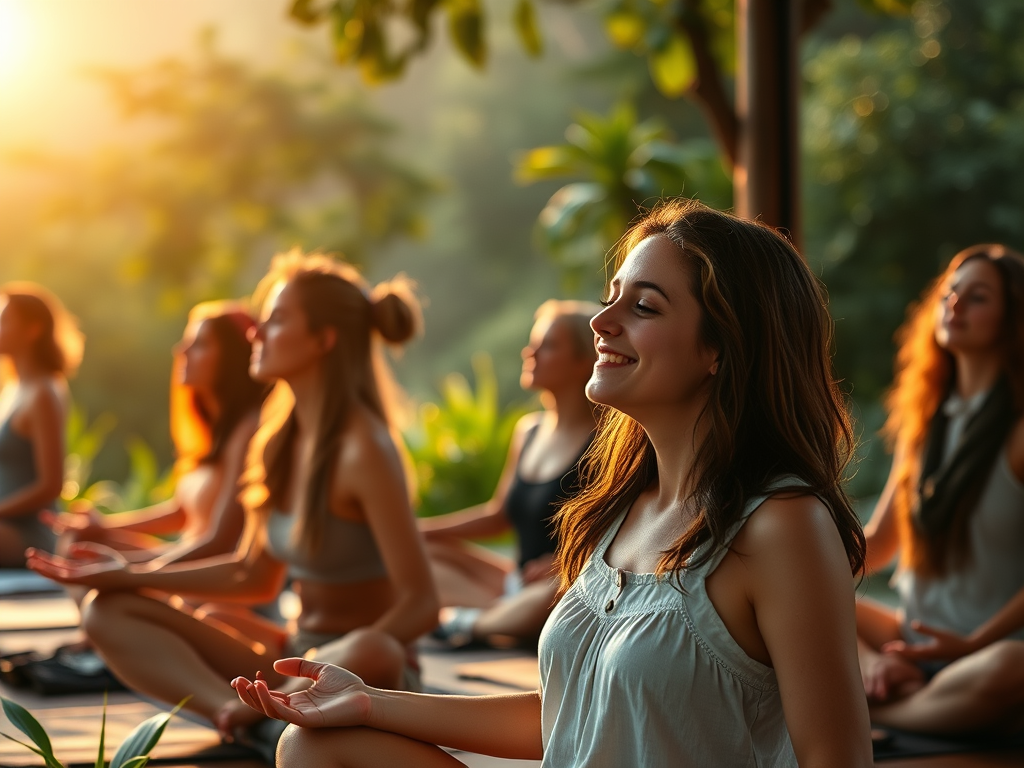
Shared experiences foster belonging. When you attend a breathwork session with a friend or join a group meditation, your brain releases oxytocin — the same hormone that builds trust and empathy. In short, experiences bond us.
3. They soothe the nervous system.
From a scientific perspective, wellness experiences literally calm the body. Practices like sound baths, massage therapy, or slow yoga activate the parasympathetic nervous system — the body’s “rest and restore” mode. Stress hormones like cortisol drop, while serotonin and endorphins rise.
Unlike material gifts that offer external gratification, experiences nurture internal peace. They help us regulate emotions, improve focus, and rebuild our energy — things no object can provide.
The Memory Effect
Another reason experiences bring lasting happiness: they grow more valuable over time. While material goods deteriorate, memories appreciate. We revisit them in our minds, and each recollection strengthens the emotional reward.
So when you gift a loved one a session in sound therapy or a guided meditation series, you’re giving them a source of comfort that keeps echoing long after the experience ends.
Why Wellness Experiences Matter Now
Modern life is overstimulated, overconnected, and undernourished. We’re flooded with information but starved for stillness. Burnout isn’t just a buzzword — it’s a nervous system in distress.
That’s why giving calm is revolutionary. Wellness experiences aren’t indulgences; they’re interventions. They interrupt the stress cycle and teach the body what safety feels like again.
When you gift someone a moment to breathe — to truly pause — you’re not just being thoughtful. You’re being restorative.
Next: Part 3 — How to Gift Calm: Experiences That Actually Make a Difference.
By: Amanda Binns